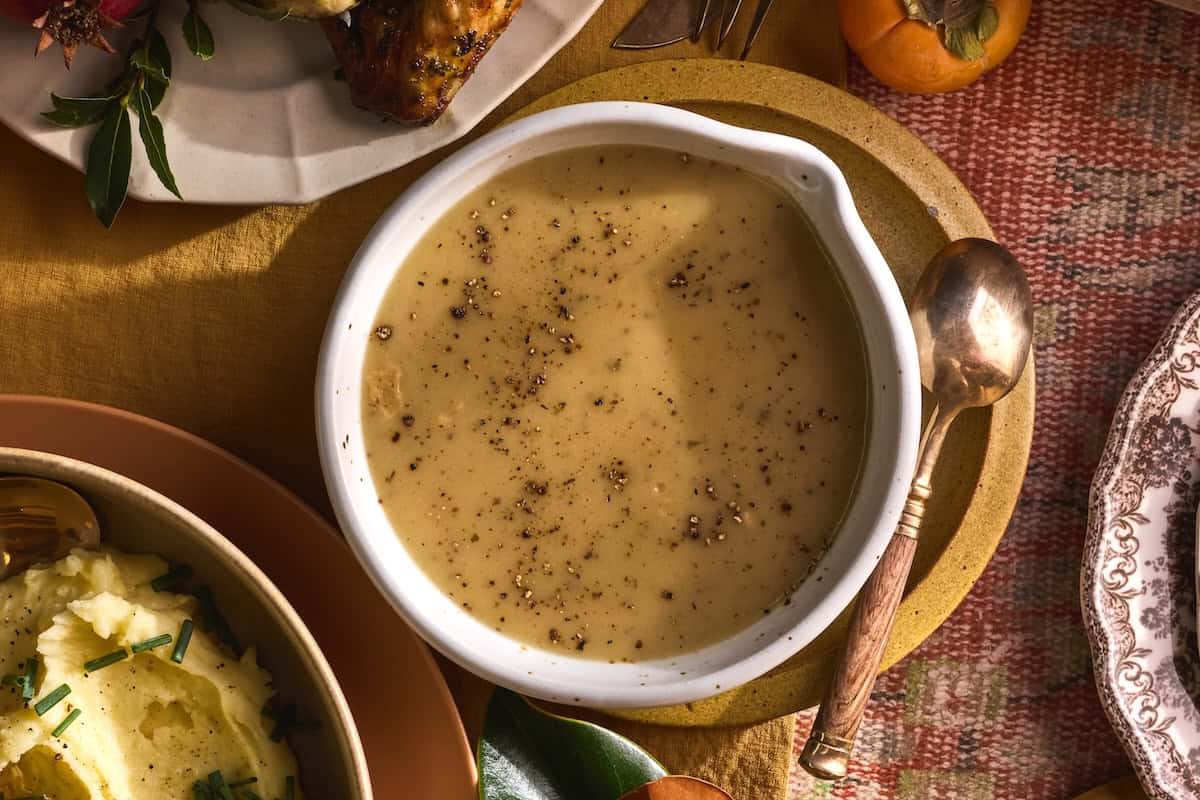
The Secret to Stress-Free, Flavorful Turkey Gravy
Thanksgiving dinner, Christmas feast, or any special occasion featuring a perfectly roasted turkey calls for one indispensable accompaniment: rich, savory turkey gravy. Many home cooks feel a pang of panic at the thought of crafting this essential sauce from scratch, often resorting to store-bought jars or instant mixes. But what if we told you that creating an outstanding, homemade turkey gravy from drippings is not only incredibly easy but also far superior in taste and texture? Forget the fear of bland, lumpy gravy – this guide will empower you to create a foolproof, delicious gravy that will impress every guest at your table, all while utilizing the incredible flavors already present in your roasted turkey.
The beauty of making your own gravy lies in harnessing the natural goodness left behind in your roasting pan. Those golden-brown bits and savory juices, known as the "fond," are a treasure trove of flavor just waiting to be transformed. Not only is this method more economical than purchasing pre-made alternatives, but it also gives you complete control over the ingredients, allowing you to tailor the seasoning to perfection. So, put away those jars and prepare to elevate your holiday meal with the very best homemade turkey gravy.
Building the Flavor Foundation: Giblet Stock and Drippings
The journey to an exceptional turkey gravy begins even before your turkey leaves the oven. A deeply flavorful stock is the backbone of any great gravy, and you already have the key ingredients at hand: the turkey giblets. These unassuming parts – the neck, heart, and gizzard – are packed with flavor and make for an incredible homemade stock.
Crafting Your Giblet Stock (The Day Before or Day Of)
To start, remove the giblets from the turkey cavity (usually found in a paper bag). Rinse them well under cold water. An important tip: do not include the liver. While some recipes might suggest it, boiled turkey liver often imparts a bitter taste to the stock, which is definitely not what we want for our gravy.
Place the neck, heart, and gizzard into a two-quart saucepan. Pour about a quart of chicken broth over the giblets. If you happen to be out of chicken broth, plain water will suffice, though broth will add an extra layer of richness. Bring this mixture to a gentle simmer over medium-low heat. Giblets are quite tough, so they will need to cook for approximately two hours. Keep an eye on the liquid level; if it starts to evaporate too much, simply add a bit more water. You'll know the giblets are done when the meat from the neck easily pulls away from the bone.
Allow the stock to cool, then remove the giblets. At this stage, you have a choice: you can finely chop the giblet meat (excluding the bones) to add texture and even more flavor to your finished gravy, or, as a popular alternative, offer them as a special treat to a very grateful pet! Strain the stock through a fine-mesh sieve to remove any small particles, ensuring a smooth gravy. This stock can be made a day ahead and refrigerated, saving you precious time on the main cooking day.
Harnessing the Roasting Pan: The Essence of Turkey Gravy
Once your beautifully roasted turkey is ready and resting, it’s time to turn your attention to the pan drippings – the true magic ingredient for turkey gravy from drippings. Carefully pour all the contents of the roasting pan into a heat-proof measuring cup or a gravy separator. Allow it to sit for a few minutes, which will help the fat separate and rise to the top.
Measure out exactly half a cup of the rendered turkey fat into a two-quart saucepan. This precise measurement is crucial for a perfectly balanced roux. If you don't have enough turkey fat, supplement it with melted unsalted butter until you reach the half-cup mark. Ensure that no non-fat turkey juices mix with this fat, as it can affect the roux's consistency.
Now, for the flavorful "fond" – those browned bits stuck to the bottom of your roasting pan. These are packed with concentrated turkey flavor! Add about a cup of boiling water to the empty roasting pan and stir briskly, scraping up all the savory brown bits from the bottom. This process, known as deglazing, unlocks incredible depth of flavor. Pour this liquid through a sieve into the remaining turkey drippings (the non-fat part). Skim off any additional fat from this liquid and set the defatted drippings aside. This liquid will be added to your gravy later, contributing an unparalleled richness.
Mastering the Roux: The Heart of Your Turkey Gravy
The secret to a smooth, thick, and lump-free turkey gravy lies in mastering the roux. A roux is a mixture of cooked fat and flour, and it's what gives gravy its body and velvety texture. Without a well-made roux, your gravy would remain thin and watery.
Creating Your Golden Roux
With your half-cup of turkey fat (or fat and butter mixture) already in the saucepan over medium heat, it's time to add the flour. Measure out exactly half a cup of all-purpose flour and sprinkle it evenly into the hot fat. Immediately begin stirring vigorously with a whisk or a wooden spoon. The mixture will initially look pasty, but as you continue to stir, it will start to loosen and form a smooth paste.
Continue cooking and stirring for several minutes, allowing the flour to cook out its raw taste and take on a beautiful golden-brown color. This step is critical; undercooked flour can give your gravy an unpleasant raw flour taste. Cooking it to a golden hue also develops a slightly nutty, complex flavor that enhances the overall taste of your homemade turkey gravy. Be careful not to burn it, though; if it turns too dark or smells burnt, you'll need to start this step over.
Bringing it All Together: From Pan to Perfect Gravy
With your golden roux perfectly prepared, the final stages of making your spectacular turkey gravy are swift and rewarding. This is where all the wonderful flavors you've built come together into a harmonious, delectable sauce.
The Art of Thickening and Flavor Infusion
Once your roux has reached that lovely golden-brown stage, it's time to slowly incorporate the liquids. Gradually add the quart of giblet stock you prepared earlier to the roux, whisking constantly. Adding the liquid slowly and whisking continuously is key to preventing lumps. The mixture will thicken almost immediately, so keep whisking to ensure a smooth consistency. Bring the gravy to a boil, stirring all the while, and let it simmer for a few minutes until it thickens to your desired consistency. If you find it's too thick, you can always add a splash more stock or water; if it's too thin, a quick cornstarch slurry (1 tablespoon cornstarch mixed with 1 tablespoon cold water) can be whisked in while it simmers.
Now, for the final flourish of flavor: slowly whisk in the defatted turkey drippings (the deglazed fond from the roasting pan) that you set aside earlier. Add as much or as little as you like, tasting as you go. These drippings will infuse your gravy with an incredible depth of roasted turkey flavor that no store-bought product can replicate. Taste for seasoning and add salt and freshly ground black pepper as needed. You might also consider a pinch of dried sage or thyme for an extra aromatic touch, or even a splash of dry sherry or white wine for added complexity.
For even more fantastic ideas to enhance your gravy, including alternatives for thickening and flavor boosters, make sure to check out turkey gravy - Article 2.
Tips for Your Best Ever Turkey Gravy
Creating perfect turkey gravy is within everyone's reach, and with a few expert tips, you can ensure yours is the star of the show:
- Make Ahead Advantage: Your giblet stock can be prepared a day or two in advance. Store it in the refrigerator, ready to use on the big day. This significantly reduces stress and last-minute scrambling.
- Dry Brining for Extra Flavor: As a bonus tip for the turkey itself, consider dry brining it overnight. After wiping your turkey dry and salting it generously (inside and out), place it uncovered in the refrigerator overnight. This not only seasons the meat deeply but also helps achieve an incredibly crispy skin, yielding even more flavorful drippings for your gravy!
- Gravy Separator is Your Friend: While a measuring cup works, a specialized gravy separator makes it incredibly easy to separate the fat from the pan drippings, ensuring you get pure fat for your roux and pure defatted juices for flavor.
- Keep it Warm: Gravy tends to thicken as it cools. Keep your finished gravy warm in a slow cooker on the "warm" setting or in a double boiler over very low heat until serving. If it thickens too much, simply whisk in a little hot water or chicken broth to reach the desired consistency.
- Lump Rescue Mission: Despite best efforts, sometimes a few lumps appear. Don't panic! A quick blitz with an immersion blender or pouring the gravy through a fine-mesh sieve will smooth it out beautifully.
- Gluten-Free Option: If you need a gluten-free gravy, you can skip the flour roux. Instead, use a cornstarch slurry (2 tablespoons cornstarch mixed with 2 tablespoons cold water for every 2 cups of liquid) to thicken your hot stock and drippings. Whisk it in gradually until desired thickness is achieved.
- Taste, Taste, Taste: Seasoning is key! Always taste your gravy at various stages and adjust salt and pepper as needed. A pinch of fresh herbs like finely chopped parsley or chives can also brighten the flavor just before serving.
For more advanced techniques, creative variations, and even troubleshooting common gravy problems, be sure to explore turkey gravy - Article 3.
Conclusion
Making homemade turkey gravy from drippings is not just a culinary task; it's an act of transforming simple ingredients into something truly extraordinary. By following these steps, you'll discover that creating a rich, smooth, and deeply flavorful gravy is surprisingly easy and incredibly rewarding. The depth of flavor from your giblet stock combined with the priceless essence of your turkey drippings will produce a gravy that far surpasses any store-bought alternative. So, the next time you're planning a feast, embrace the tradition, banish the panic, and confidently whip up a batch of the best turkey gravy your guests have ever tasted. It's the perfect crowning glory for your holiday table, a testament to the simple joy of home cooking.
